Green Initiatives: How E-Waste Recycling Services Are Protecting Our Planet
E-waste poses significant threats to the environment, as abandoned electronic devices commonly carry harmful materials. These toxic materials have the potential to taint soil and water sources, leading to broader ecological damage. E-waste recycling services present a viable solution. They successfully retrieve useful resources while simultaneously minimizing environmental pollution. Understanding how these services operate and their impact on communities is essential. The path to successful electronic waste management prompts vital discussions about personal accountability and communal efforts. What actions should be considered going forward?
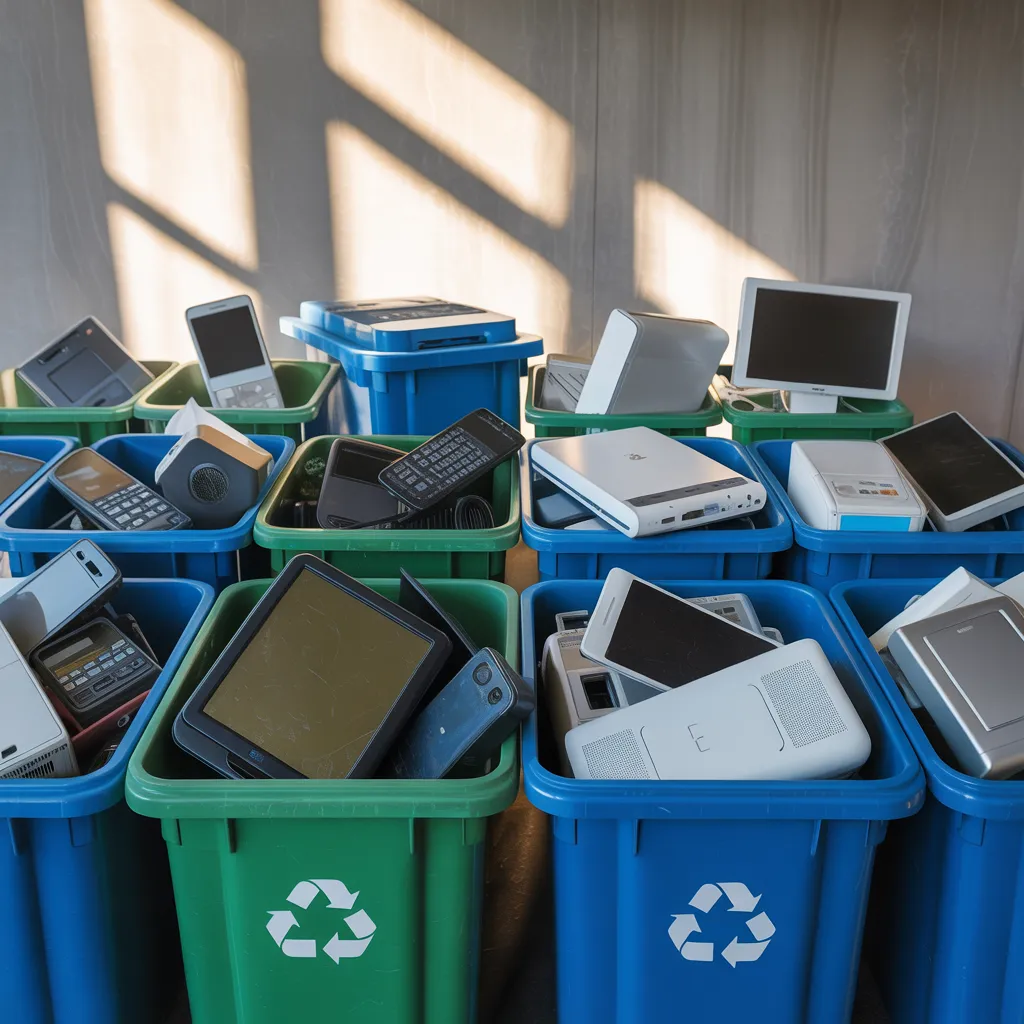
The Reasons E-Waste Is Damaging to the Planet
While technology enriches modern life, e-waste creates significant environmental threats. Discarded electronic devices, often containing toxic substances including mercury, lead, and cadmium, are capable of seeping pollutants into groundwater and soil, presenting dangers to human health and ecosystems. The rapid pace of technological advancement contributes to increased consumer turnover of electronics, worsening the buildup Browse all of electronic waste.
Landfills, already strained by waste, are unable to keep up with the rising quantities of abandoned electronics. Burning, an alternative disposal approach, discharges toxic contaminants into the air, worsening overall air quality. Furthermore, inadequate recycling methods can result in the shipment of electronic waste to underdeveloped nations, where workers may break down equipment without proper protective measures, putting themselves at risk of exposure to hazardous materials. This cycle of neglect and improper handling underscores the urgent need for sustainable recycling solutions that can mitigate the adverse effects of e-waste on the planet.
What Is E-Waste and Why Does It Matter?
E-waste, or electronic waste, encompasses obsolete electronic products such as televisions, computers, and smartphones that are no longer functional or needed. This rapidly expanding waste category is noteworthy due to its rapid accumulation, propelled by advances in technology and evolving consumer behaviors. As growing numbers of electronics become outdated, the toll on the environment grows more severe, with toxic materials such as lead, mercury, and cadmium presenting serious hazards to the environment and human well-being.
Addressing e-waste is crucial not only for reducing these dangers but also for acknowledging the precious materials found within it. Valuable metals and rare earth materials can be extracted and repurposed, lessening the demand for mining and preserving natural resources. Through a deeper awareness of e-waste and its consequences, both individuals and organizations can make well-informed choices regarding disposal and recycling, thereby supporting a more sustainable future. Responsible management of e-waste plays a key role in supporting a circular economy and championing environmental stewardship.
The Way E-Waste Recycling Functions
The recycling of e-waste encompasses an organized procedure designed to recover valuable materials while reducing harm to the environment. To begin, discarded electronics are retrieved and sent to dedicated processing centers. Upon arrival, the devices undergo thorough sorting to separate hazardous components from recyclable materials.
Subsequently, employees break down the items, removing glass, metals, and plastics. This step is critical, as it enables the reclamation of high-value metals like copper, gold, and silver, which may be utilized in new electronic products.
Following this, the isolated materials are refined using state-of-the-art techniques, such as shredding and chemical treatments, to purify them for reuse.
Ultimately, the leftover hazardous waste is handled with responsibility, complying with environmental guidelines. This comprehensive process not only conserves resources but also reduces the dangers associated with unsafe e-waste handling, ensuring a more sustainable future for electronic consumption.
How E-Waste Recycling Benefits You and Your Community
Though many people are unaware, the advantages of e-waste recycling extend beyond personal convenience to positively impact entire communities. By properly recycling electronic waste, individuals help foster a cleaner environment, reducing hazardous materials that can contaminate soil and water. This proactive approach actively safeguards local ecosystems and promotes public health.
Furthermore, electronic waste recycling supports the creation of jobs in communities. Community recycling operations commonly require workers for various operations, covering everything from collection to processing, thereby providing employment opportunities for community members. This not only stimulates the local economy but also encourages community engagement in sustainable practices.
Moreover, awareness of e-waste recycling is capable of inspiring learning opportunities, empowering residents to pursue greener alternatives. By engaging with e-waste recycling programs, individuals foster a culture of sustainability, inspiring others to follow suit. Overall, the combined impact of these actions can create a more robust and eco-friendly community.
A Guide to Selecting an E-Waste Recycling Service
Picking the right e-waste disposal service is vital for ensuring that electronic waste is managed with responsibility and sustainability. Initially, consumers should confirm the provider's certifications, such as R2 and e-Stewards certifications, which demonstrate adherence to industry standards for secure waste disposal procedures. It's also important to examine the provider's reputation by reading customer reviews and looking for recommendations from trusted sources.
Moreover, clarity in the recycling process is essential. A trustworthy service should supply straightforward details about the manner in which e-waste is managed and how the materials are utilized. Additionally, considering the scope of services provided can prove valuable; certain providers may offer collection services or present rewards for recycling.
Ultimately, understanding regional rules concerning e-waste disposal can further guide the decision-making process. By prioritizing these factors, people are able to support effective e-waste management while also advancing environmentally responsible practices.
How You Can Take Part in E-Waste Recycling?
Getting involved with e-waste recycling may begin at the local level, where local recycling facilities frequently offer essential services for responsible disposal. Moreover, taking part in community awareness campaigns can enhance efforts to inform others regarding the importance of responsible e-waste management. These actions not only promote sustainability but also foster a collective sense of accountability for the environment.
Area Recycling Stations
Numerous community recycling facilities perform an important function in the recycling of e-waste, providing communities with accessible options to handle electronic waste in a responsible manner. These centers accept a selection of electronic equipment, including used computers, handheld devices, and televisions, ensuring that harmful materials are handled safely. Most centers are equipped with trained staff who support individuals in understanding proper disposal practices, emphasizing the importance of recycling over landfilling. Additionally, various hubs coordinate organized drop-off opportunities or appointed collection periods, making participation convenient for residents. By taking advantage of these neighborhood resources, individuals contribute to a circular economy, decreasing environmental damage and advancing sustainable approaches. Partnering with these facilities empowers communities to take action against e-waste pollution effectively.
Public Awareness Initiatives
Local organizations, schools, and businesses can collaborate to host events that promote e-waste collection drives. Volunteers can play a pivotal role in raising awareness, sharing informational resources, and connecting with local residents. By means of these joint initiatives, community members grow more knowledgeable and inspired to dispose of their electronics responsibly, thus playing a meaningful role in creating a more environmentally responsible future.
Frequently Asked Questions
What Electronic Devices Are Eligible for Recycling?
A wide range of electronics may be recycled, including laptops, televisions, smartphones, printers, computers, and gaming consoles. Furthermore, peripherals such as mice, keyboards, and batteries are equally appropriate for recycling, aiding in efforts to conserve the environment.
Are There Any Costs Associated With E-Waste Recycling?
Indeed, e-waste recycling sometimes comes with fees, depending on the provider. Certain providers apply costs for pickup or handling, while some providers offer free services, typically funded by the proceeds from salvaged materials.
How Do Businesses Gain From E-Waste Recycling?
Businesses can benefit from e-waste recycling by reducing disposal costs, strengthening their ecological standing, adhering to regulatory requirements, extracting valuable resources, and creating potential earnings via resale, thus supporting a greener and more sustainable operational framework.
What Occurs with Data on Recycled Devices?
Details from refurbished devices is frequently permanently erased or destroyed throughout the recycling process. This ensures sensitive information remains secure, blocking unwanted intrusion while permitting resources to be recycled safely and responsibly in new products.
Are Broken Electronics Eligible for Recycling?
Absolutely, broken electronics can be recycled. A wide range of collection points process non-functioning devices, ensuring proper disposal and recovery of useful materials. It helps reduce environmental impact while promoting sustainable recycling habits to control e-waste properly.